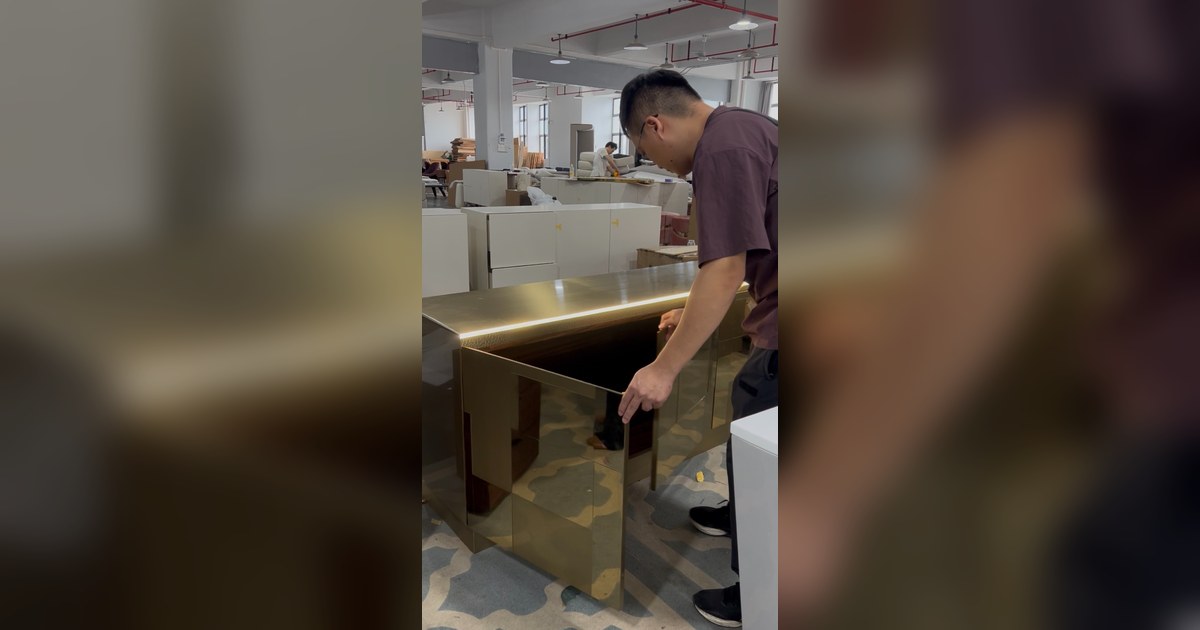
Furniture quality inspection China is an important step before shipping furniture overseas. For buyers purchasing sofas, beds, tables, cabinets, lighting, mattresses, or project furniture from Foshan and other China furniture markets, checking products before shipment can reduce mistakes, damage, delays, and extra costs.
Buying furniture from China can be a good choice for overseas buyers, interior designers, contractors, retailers, hotel owners, and villa project owners. China has many furniture factories, showrooms, materials, and price levels. However, furniture is large, heavy, and difficult to return after international shipping. If problems are found only after the goods arrive, it can be costly and time-consuming to solve them.
That is why a clear furniture quality inspection China checklist is very important before the goods leave the factory or warehouse.
Why Furniture Inspection Is Important Before Shipping
Furniture orders often include many different products. A buyer may order sofas from one supplier, beds from another supplier, dining tables from another factory, and lighting or decorative items from a different showroom.
Without proper inspection, several problems may happen. The size or color may be wrong. The material may not match the confirmed sample. The product may have scratches, dents, or poor finishing. Some parts or accessories may be missing. The packaging may not be strong enough for sea shipping. The quantity may not match the order list. Goods from different suppliers may also be mixed together.
A proper inspection before shipment helps buyers find problems early. It also gives suppliers time to repair, replace, or repack the goods before shipping.
1. Check Product Size and Dimensions
Size is one of the first things to check during furniture inspection.
For custom furniture, project furniture, sofas, beds, cabinets, and dining tables, even a small size difference can create installation problems. Before shipment, the actual product size should be compared with the confirmed quotation, drawing, order sheet, or invoice.
Important points to check include overall length, width, and height, seat height and seat depth for sofas and chairs, bed frame size and mattress size, table height and tabletop size, cabinet depth, door opening direction, and customized dimensions.
If the furniture is for a villa, apartment, hotel, restaurant, or commercial project, size accuracy is especially important. The wrong size may affect installation, room layout, and the final design result.
2. Check Material and Structure
The next step is to check whether the material matches the confirmed order.
Furniture materials may include solid wood, plywood, MDF, metal, stainless steel, leather, fabric, marble, sintered stone, glass, foam, and hardware accessories.
During inspection, buyers should check whether the main material is correct. The frame should be strong and stable. Legs, joints, and support structures should be firm. Foam density and softness should meet the confirmed requirement. Stone, glass, or metal parts should not have cracks, scratches, rust, or obvious defects.
For sofas and upholstered furniture, the internal frame and foam quality are very important. For cabinets and tables, the structure, balance, and surface finishing should be checked carefully.
3. Check Color, Fabric, and Finish
Color difference is a common issue in furniture orders.
Before production, buyers usually confirm product photos, material samples, fabric samples, leather samples, or color cards. During inspection, the actual product should be compared with the confirmed sample.
Important points include fabric color, leather color, wood finish, metal finish, stone pattern, paint quality, gloss level, and surface texture.
For natural materials such as marble, wood veneer, and leather, some variation is normal. However, the overall style and quality should still match the buyer’s expectations.
For project orders, it is better to check all pieces together to make sure the color and finish are consistent.
4. Check Workmanship Details
Furniture quality is often shown in small details.
During inspection, the inspector should look closely at the stitching, edges, corners, joints, visible surfaces, and finishing.
Common workmanship points include clean stitching, smooth edges, no obvious glue marks, no scratches, no dents, no broken parts, no uneven paint, no loose screws, no sharp edges, and no strong bad smell.
For upholstered furniture, stitching and fabric tension should be checked. For wooden furniture, surface finishing and edge sealing are important. For metal furniture, welding and polishing should be checked.
These small details can affect the final appearance and customer satisfaction.
5. Check Function and Stability
Furniture should not only look good. It must also work properly.
Before shipping, functional parts should be tested. This is especially important for recliner sofas, storage beds, extendable tables, drawers, cabinet doors, sliding systems, and adjustable parts.
The inspector should test sofa comfort, chair stability, table balance, drawer movement, door hinges, sliding rails, recliner mechanisms, bed lifting functions, cabinet hardware, and leg stability.
The product should be tested like a real user would use it. If a chair shakes, a drawer is stuck, or a recliner does not work smoothly, the problem should be fixed before shipment.
6. Check Quantity and Model Numbers
For furniture orders with multiple suppliers, quantity checking is very important.
The actual goods should be compared with the packing list, invoice, and order sheet. Each model, color, size, and quantity should be checked carefully.
Important points include product model, product color, quantity per item, quantity per carton, accessories, spare parts, labels, and customer order reference.
This step helps avoid missing items, wrong products, or mixed goods from different suppliers.
7. Check Packaging Before Shipment
Good packaging is very important for international furniture shipping.
Furniture may be moved many times before arriving at the final destination. It may go from factory to warehouse, warehouse to container, container to port, port to destination country, and then to the buyer’s location.
Weak packaging can easily lead to damage during transportation.
Packaging inspection should include carton thickness, foam protection, corner protection, wooden frame if needed, moisture protection, plastic wrapping, clear labels, fragile marks, and protection for glass, stone, mirror, or lighting products.
For fragile products such as marble tables, glass items, mirrors, lighting, and ceramic products, stronger packaging is usually necessary.
8. Check Container Loading
The final step before shipment is container loading inspection.
Even if the products are good, poor loading can still cause damage. Furniture should be loaded carefully to avoid pressure, movement, and collision during sea shipping.
Heavy items should be loaded at the bottom. Fragile items should be protected properly. Cartons should be placed in a stable way. Empty space should be reduced to avoid movement during transportation. Goods from different suppliers should be organized clearly.
It is also important to take photos during loading, record the container number, and record the seal number.
For buyers who purchase furniture from multiple factories, container loading supervision is very helpful.
9. Take Photos and Videos as Proof
Before shipping, buyers should ask for clear photos and videos of the goods.
Useful inspection records include product photos, close-up photos, material photos, packaging photos, label photos, quantity photos, loading photos, container number photos, and seal number photos.
These records help buyers confirm the order before shipment. They are also useful if any problem happens later.
Photos and videos cannot replace full inspection, but they are helpful for communication, confirmation, and record keeping.
10. Work With a Local Furniture Sourcing Agent
Many overseas buyers cannot visit China for every order. Some buyers also purchase from several suppliers at the same time. In this case, working with a local furniture sourcing agent can make the process easier.
A sourcing agent can help with supplier communication, order follow-up, quality inspection arrangement, photo and video checking, packaging checking, warehouse coordination, container loading supervision, and shipping coordination.
KYLEFURN helps overseas buyers source furniture from Foshan and nearby furniture manufacturing areas in China. We assist with supplier communication, product checking, order follow-up, consolidation, and shipping coordination.
If you are buying furniture from China and need help checking your goods before shipment, KYLEFURN can help you manage the process more smoothly.
Final Thoughts
Furniture quality inspection is not just a simple check. It is an important step to protect your order before the goods leave China.
Before shipping, buyers should check size, material, color, workmanship, function, quantity, packaging, and container loading. These steps can help reduce mistakes, avoid damage, and make the whole furniture sourcing process safer.
If you are planning to buy furniture from Foshan or other furniture markets in China, it is better to prepare a clear inspection checklist before shipment. A reliable local sourcing partner can help you communicate with suppliers, check goods, and arrange shipping with less risk. KYLEFURN can support overseas buyers with Foshan furniture sourcing, furniture shipping from China, and Foshan furniture market tour services.
Need help checking your furniture order before shipping from China? Contact KYLEFURN on WhatsApp for furniture sourcing, inspection, consolidation, and shipping support.